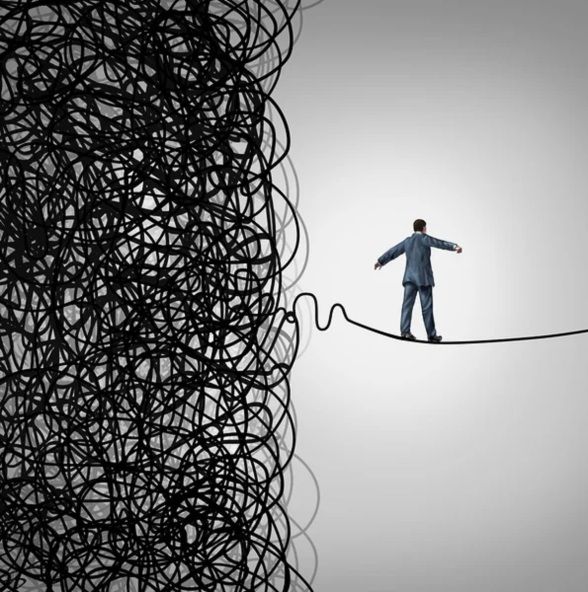
Marriage, at its best, offers a deep sense of connection, safety, and shared meaning. But when communication begins to break down and daily life becomes dominated by misunderstanding or emotional distance, even the strongest couples can find themselves locked in painful cycles. These struggles don’t occur in isolation – they ripple outward, affecting children, family dynamics, and the emotional climate of the home.
The Strain of Compromised Communication
In most troubled relationships, one common thread emerges: communication that no longer serves connection. Partners may talk a lot – but not truly listen or understand each other. We call it the ‘listening to respond’ rather than ‘listening to understand’ reaction. Over time, conversations turn into negotiations, and expressions of hurt become accusations. When one partner withdraws and the other pursues, both end up feeling unseen and psychologically unsafe.
Compromised communication breeds resentment. Instead of being a safe base for each other, couples begin to protect themselves from further emotional injury. Vulnerability fades, replaced by silence or defensiveness.
How Defence Mechanisms Create Distance
When conflict arises, our nervous systems shift into protection mode. Rather than hearing our partner’s pain, we hear threat. To cope, we use defense mechanisms – unconscious strategies that guard us from feeling vulnerable.
- Withdrawal: pulling away to avoid further conflict or rejection.
- Blame and criticism: pushing the discomfort outward to avoid facing one’s own hurt.
- Sarcasm or dismissiveness: masking pain with detachment or superiority.
- Over-rationalising: staying “in the head” to avoid emotional intimacy.
While these mechanisms offer short-term relief, they ultimately drive partners apart. Over time, a cycle forms – one partner’s withdrawal triggers the other’s pursuit, one’s anger fuels the other’s retreat. Both feel unheard, unseen, and unloved.
The Hidden Impact on Children and the Family System
When a marriage is struggling, the entire family feels it. Children are emotionally attuned to their parents’ states, even if no words are spoken. They sense tension in tone, facial expressions, and silence.
In these moments, children may:
- Internalise the conflict, believing they are somehow to blame.
- Develop anxiety or act out behaviourally as a way to express unspoken emotional distress.
- Begin to model unhealthy communication patterns in their own relationships later in life.
In a home where conflict dominates, family members can lose their sense of emotional safety. The energy that should nurture growth and connection is instead consumed by emotional survival.
Seeing the Marriage as a System: The Ecosystemic Approach
Ecosystemic therapy views a couple or family not as a collection of individuals, but as a dynamic system – a network of relationships where each person’s behaviour affects the whole. When one part of the system changes, the entire system responds.
From this perspective:
- The problem doesn’t “belong” to one partner – it exists in the interaction between them.
- Patterns of communication, emotional responses, and roles develop over time, often unconsciously.
- Healing begins when both partners can understand the systemic dance they are part of, and how each contributes to its rhythm.
In therapy, this means focusing not on blame, but on awareness. When partners see how their patterns maintain the current system, they can begin to shift those patterns—creating space for empathy, curiosity, and connection to return.
Moving Toward Repair
Rebuilding connection takes courage. It requires slowing down defensive reactions and learning to listen with openness rather than fear. In the process, couples often rediscover not only each other but also themselves.
Ecosystemic therapy helps couples move from “you versus me” to “us versus the problem.” It invites both partners to take shared responsibility for healing and to create a family environment where safety and emotional attunement can thrive again.
At The Mind Lab,
I work with couples and families to understand the patterns that keep them stuck and to help them build new ways of relating – grounded in awareness, communication, and compassion. When one part of the system begins to heal, the ripple effects reach everyone.
Dr. Christine Kolbé