
That eye roll. The door slam. The sudden emotional meltdown over seemingly nothing. The risky decision that leaves you wondering if aliens replaced your once-sensible child. Welcome to the teenage years—where your child’s brain is literally rebuilding itself from the inside out.
The Construction Zone: What’s Actually Happening Up There
Your teen’s brain is in the middle of a massive renovation project.
It’s not broken—it’s precisely following its biological blueprint. But unlike your home renovation that has a clear timeline and budget (well, sort of), this neural reconstruction happens messily, unevenly, and at the worst possible moments.
Here’s what’s actually going on:
The Dual Systems at Play
Your teen’s brain has two major systems developing at different speeds:
- The limbic system (your emotional and reward centre): Fully powered up and running hot
- The prefrontal cortex (your decision-making and impulse control centre): Still installing basic wiring
This creates what neuroscientists call the “developmental mismatch”—where the gas pedal is fully functional, but the brakes are still being assembled.
As Dr. BJ Casey and colleagues perfectly put it: “the adolescent may know better, but the salience of the emotional context biases their behaviour in the opposite direction of the optimal action.”
Translation: They genuinely might know staying up until 3 AM on a school night is a terrible idea, but their brain’s reward system overrides that logic when the group chat is buzzing.
“the adolescent may know better, but the salience of the emotional context biases their behaviour in the opposite direction of the optimal action.”
Why Your Teen Suddenly Seems Like a Different Species
Ever noticed how your once-agreeable child now seems to seek out risks, emotional drama, and social validation like they’re oxygen? There’s a neurological reason for that too.
Reward System in Overdrive
During adolescence, dopamine (the brain’s reward chemical) levels increase dramatically in the limbic system. Functional MRI studies show that when anticipating rewards, teen brains light up like Christmas trees compared to adults.
This isn’t a design flaw—it’s actually critical for development. This heightened sensitivity to rewards drives teens to:
- Seek new experiences
- Take risks (which can lead to learning)
- Form intense social bonds
- Challenge established norms
- Develop their own identities separate from their parents
All vital developmental tasks. The problem is, this reward sensitivity doesn’t discriminate between healthy exploration (starting a band) and genuinely dangerous activities (experimenting with substances).
Emotion Centre Working Overtime
Your teen isn’t being dramatic for the sake of it. Their amygdala (emotion processor) is hyperactive while their prefrontal cortex (emotion regulator) is still developing.
When processing emotional information, teens show stronger amygdala activation than adults, which correlates with slower reaction times when they need to regulate those emotional responses.
This explains why:
- Small disappointments can feel like the end of the world
- Social rejection hurts like physical pain
- Emotions seem to flip like a light switch
- Arguments escalate from zero to a hundred in seconds
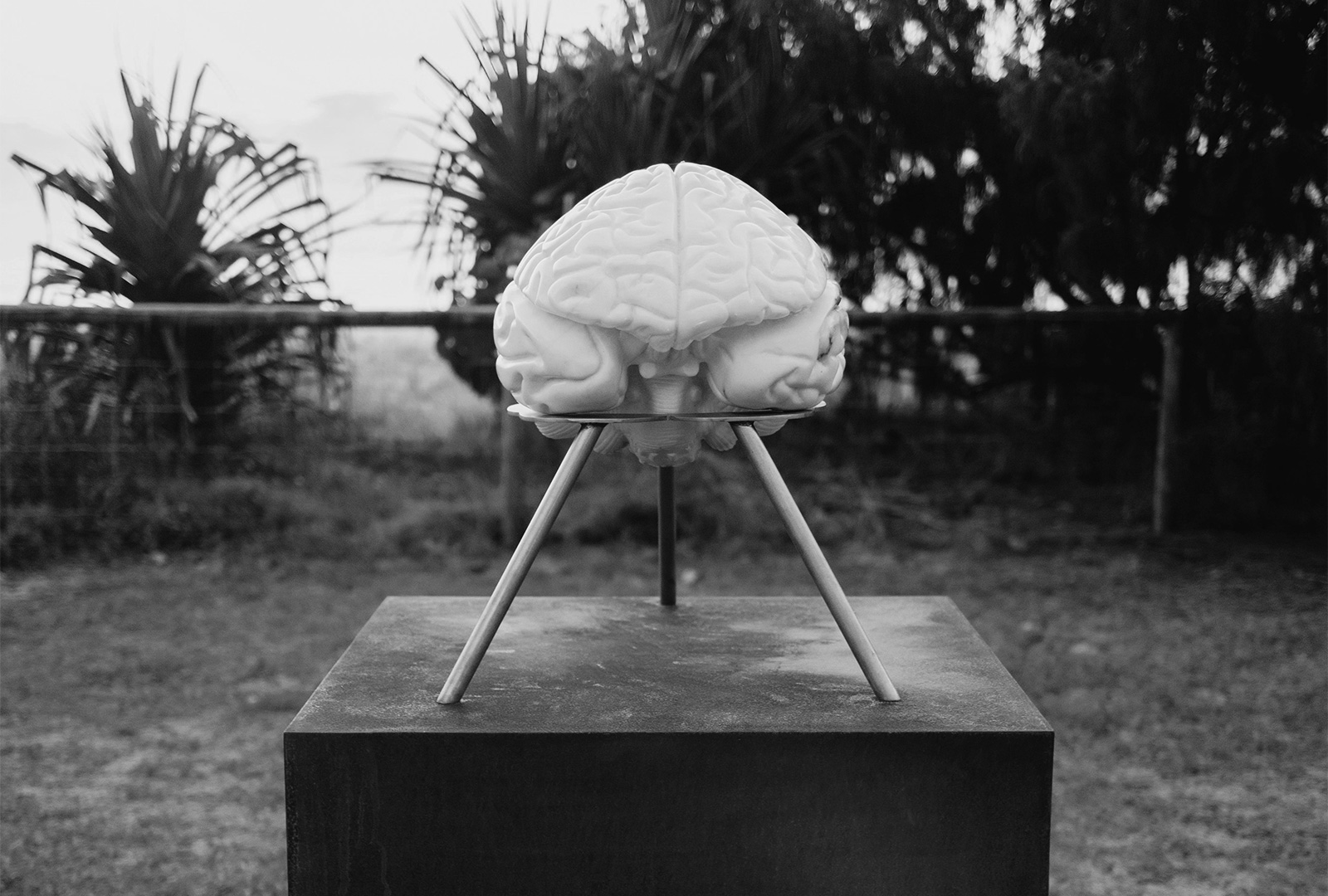
Why Logic Often Fails (It’s Not You, It’s Neurobiology)
Perhaps the most frustrating part of parenting teens is watching them make poor choices despite knowing better. Here’s the critical insight: teen decision-making deficits are most apparent under conditions of emotional arousal or social pressure.
In emotionally neutral contexts, teens can reason much like adults. But throw in some emotional stakes or peer influence, and their prefrontal control regions get overwhelmed by the more mature limbic motivational regions.
This explains why your perfectly logical explanation about drinking and driving falls on deaf ears when they’re actually at a party with peers applying pressure.
Navigating the Construction Zone: What Actually Works
Understanding the neuroscience doesn’t just explain the chaos—it points toward more effective strategies for supporting teens through this biological renovation project.
1. Create Space for Healthy Risk-Taking
Your teen’s brain is wired to seek novelty and excitement right now. Rather than fighting this biological reality, channel it:
- Extreme sports (with proper safety gear)
- Creative pursuits with public performance elements
- Controlled challenging scenarios like wilderness programmes
- Competitive activities that engage both body and mind
These offer the neurological rewards their brain craves without the destructive downsides.
2. Scaffold Their Decision-Making
Their prefrontal cortex needs practice to develop properly. Instead of making decisions for them or leaving them entirely to their own devices:
- Walk through potential scenarios before they happen
- Create decision frameworks they can apply when emotional
- Establish clear boundaries around genuine safety issues
- Allow natural consequences for non-dangerous mistakes
Think of it as installing temporary support structures while their internal control centre develops.
3. Connect Before Correcting
Remember that emotion centre working overtime? When teens are flooded with feelings, their already-limited access to rational thinking decreases further.
Before addressing behaviour:
- Validate the emotion (“That feeling is real—and it’s also temporary”)
- Wait for the emotional intensity to decrease
- Then introduce problem-solving or consequences
This isn’t being soft—it’s working with their neurobiology rather than against it.
4. Leverage Their Heightened Reward Sensitivity
Their dopamine system responds powerfully to:
- Social recognition (especially from peers)
- Immediate rewards (their future-thinking is still developing)
- Novelty and surprise
- Increasing autonomy
Use these to motivate positive behaviours rather than relying on far-off consequences or abstract reasoning.
Remember: This Is Actually Going Right
The most important thing to understand is that these challenging behaviours aren’t signs of failure—either yours or theirs. They’re the external manifestations of critical neural development.
Your teen’s brain isn’t broken. It’s doing exactly what millions of years of evolution has designed it to do during this critical period—building the neural architecture that will eventually support adult functioning.
The construction process is messy, loud, and sometimes looks like chaos. But with the right support structures in place, that construction project will eventually reveal its masterpiece—a fully developed adult brain capable of remarkable things.
Want to better understand your teen’s developing brain and get practical strategies for navigating this challenging but fascinating time? Book a session at The Mind Lab, where we transform neuroscience into practical tools for real-life challenges.